How an IBC Tank Improves Bulk Storage and Handling Efficiency
An “ibc tank” is a practical container system used for storing and transporting liquids and bulk materials. Its durable frame, reusable design, and space-saving shape make it a reliable solution for industrial and commercial operations.
What Is an IBC Tank?
An ibc tank is a bulk container designed to hold and move liquids, semi-liquids, and certain flowable materials safely. It is commonly used in agriculture, chemical facilities, pharmaceutical production, and food processing environments. Most ibc tank units are made with a high-density polyethylene (HDPE) inner container and a metal cage frame, which helps protect the contents during handling and transport.
Key Features of an IBC Tank
An ibc tank is widely used because it combines strength and convenience in one container format:
- Durability: The outer cage and strong inner bottle help the tank perform well in repeated industrial use.
- Reusability: Many ibc tank models can be cleaned and reused, which helps reduce waste and long-term packaging costs.
- Space Efficiency: The square shape allows efficient stacking and better use of warehouse and truck space.
Benefits of Using an IBC Tank
Using an ibc tank can improve daily operations in several ways:
First, it helps lower costs over time. Since an ibc tank is designed for repeated use, businesses can reduce replacement frequency and improve packaging efficiency. The larger capacity also supports better transport planning by allowing more material per unit.
Second, it improves safety and handling control. An ibc tank usually includes secure caps and a stable frame, which helps reduce leakage, accidental spills, and contamination during storage or movement.
Third, it offers flexible use across industries. An ibc tank can be used for water, industrial liquids, food-grade materials, and other compatible products, making it a practical standard container for many operations.
Applications of an IBC Tank
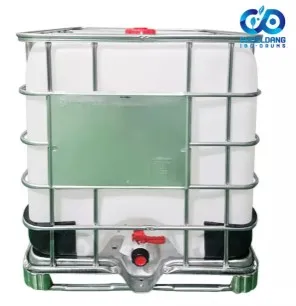
IBC tank systems are used in multiple sectors depending on product type and handling requirements:
| Industry | Application |
|---|---|
| Agriculture | Storage of water, liquid fertilizers, and crop treatment solutions |
| Chemicals | Storage and movement of industrial liquids and processing agents |
| Food and Beverage | Handling of edible oils, syrups, and liquid production ingredients |
Choosing the Right IBC Tank
Before choosing an ibc tank, it is important to review the following points:
- Material: Select a tank material that is compatible with the liquid or bulk product you plan to store.
- Size: Choose the right capacity based on your storage volume and transport schedule.
- Regulations: Confirm that the ibc tank meets the safety and compliance standards required for your industry.
In conclusion, an ibc tank is an effective solution for businesses that need safe and efficient bulk storage and transport. Its reusable structure, durable design, and broad compatibility make it a strong long-term option.
If you are improving your storage system or logistics workflow, an ibc tank is worth evaluating. A careful review of product compatibility, capacity, and compliance needs will help you choose the right container.